

Aboriginal ribbon skirts represent a colorful manifestation of culture and identity within Aboriginal communities. These artfully made garments are not merely clothing items; they are a tapestry woven with stories, customs, and ties to the land. Each piece is unique, reflecting the individual stories of the women who don them and the wider historical context of their communities.
These skirts are often adorned with colorful ribbons that symbolize diverse aspects of life, such as power, endurance, and lineage. Wearing a ribbon skirt is a way for Indigenous women to honor their heritage and embrace their cultural identity, creating a powerful link between past and present. As they gather to sew, embellish, and share their skirts, they foster a feeling of community and togetherness, ensuring that their cultural practices continue to thrive in contemporary society.
Historical Significance of Ribbon Skirt s
Aboriginal ribbon skirts hold profound heritage significance for Indigenous women, embodying a rich narrative that reflects resilience and identity. Historically, these skirts are crafted with colorful fabrics and adorned with ribbons, each color and design usually telling a tale or representing different aspects of the wearer's community and heritage. The creation and wearing of ribbon skirts link women to their forebears, preserving age-old traditions that have been transmitted through generations.
Historically, these skirts were not only garments but emblems of femininity and strength. They were frequently worn during ceremonies, gatherings, and celebrations, signifying a connection to culture and society. The materials used in crafting ribbon skirts were typically sourced locally, representing a eco-friendly practice that honored the land and resources of native communities. With the onset of colonialism and the introduction of new styles and materials, ribbon skirts faced obstacles, but they endured as icons of heritage pride and resistance.
In recent years, there has been a revival of interest in ribbon skirts among youth. https://www.ribbonskirts.com/collections/native-american-ribbon-skirts is part of a broader movement to reclaim Indigenous culture and identity, highlighting the skirts as not just fashion items but as powerful manifestations of heritage. Women are now embracing ribbon skirts to tell their stories and connect with their localities, establishing a more profound understanding of their roots and strengthening the importance of cultural continuity in a rapidly changing world.
Cultural Symbolism and Styles
Aboriginal ribbon skirts are filled in cultural significance and personal style. Traditionally, these clothes are worn by Indigenous women as a commemoration of self-identity and heritage. Every skirt tells a story, typically incorporating colors and patterns that echo the wearer's tribe, family history, and connections to the land. The act of donning a ribbon skirt is often a statement of pride, resilience, and belonging, connecting the wearer to their ancestors and cultural roots.
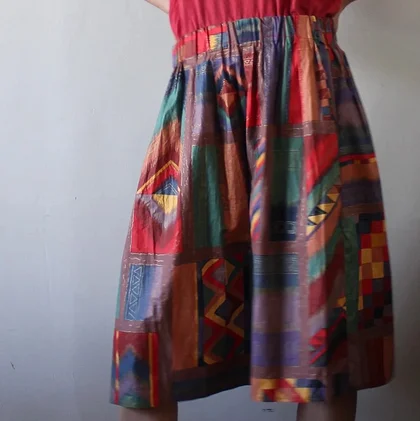
The designs featured on ribbon skirts can differ widely, with different Indigenous groups showcasing their unique artistic styles. Frequent motifs may include depictions of nature, such as animals, plants, and celestial elements, which represent the relationship between Indigenous peoples and the environment. Moreover, many skirts incorporate geometric patterns that carry specific meanings, serving as a visual language that conveys teachings, values, and community ties.
As these skirts gain recognition beyond their cultural contexts, contemporary artisans are blending traditional elements with modern aesthetics, creating pieces that resonate with newer generations while respecting ancestral practices. This blend of tradition and innovation not only keeps the craft alive but also allows for personal interpretations of cultural narratives, ensuring that the stories woven into each ribbon skirt continue to evolve within the community.
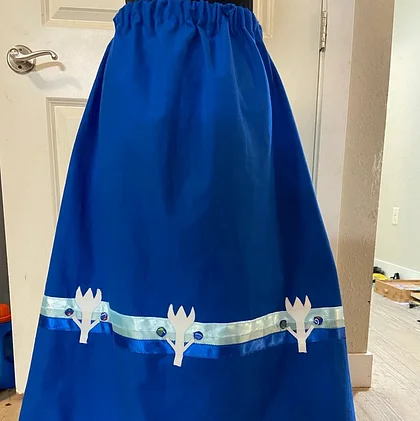
Contemporary Variations and Community Influence
In recent years, Aboriginal ribbon skirts have transformed to reflect modern styles while upholding their heritage significance. Craftspeople and designers are infusing modern fabrics and techniques into classic designs, allowing for personal expression and creativity. This fusion of old and new resonates with younger generations, who are more and more seeking methods to connect with their heritage. As the skirts gain popularity, they are often seen in style shows and local events, showcasing the enduring appeal of these garments.
The renewal of interest in ribbon skirts has favorably impacted Aboriginal communities by fostering a sense of self-respect and belonging. Workshops and sewing circles have emerged, providing spaces for individuals to learn the craft, share stories, and celebrate their cultural identity. These gatherings not only promote skill-building but also strengthen community ties, as members come together to support one another in their creative endeavors. Through these interactions, the skirts become more than just clothing; they evolve into a shared narrative of resilience and heritage.
Furthermore, the increasing visibility of Aboriginal ribbon skirts has spurred awareness and appreciation for Indigenous cultures among wider audiences. As read more appear in popular media and fashion, they often serve as a conversation starter about Indigenous rights and cultural preservation. This engagement helps to inform the public and dismantle stereotypes, contributing to a wider understanding of the significance of cultural expressions such as ribbon skirts. In this way, the continued creation and adaptation of these garments not only respects tradition but also paves the way for future generations to embrace and elevate their cultural narratives.