

Ribbon skirts hold a special place in Indigenous culture, serving not only as a stunning article of clothing but also as a powerful symbol of identity, heritage, and community. Traditionally worn by Native women and girls, these skirts are often adorned with bright ribbons that carry profound meanings and reflect the beliefs of the collective. Each skirt is unique, often showcasing the personal stories and ethnic narratives of the owners, making them a platform for communicating one’s identity and connection to ancestry.
As we explore the meaning of ribbon skirts, we uncover the complex ties between clothing and ethnic expression in Native communities. These garments are more than mere outfits; they embody the endurance, might, and innovation of the people who wear them. Through their vivid designs and careful craftsmanship, ribbon skirts invite us to appreciate the diverse traditions and contemporary adaptations that continue to shape Indigenous identities today.
Cultural Beginnings of Ribbon Skirts
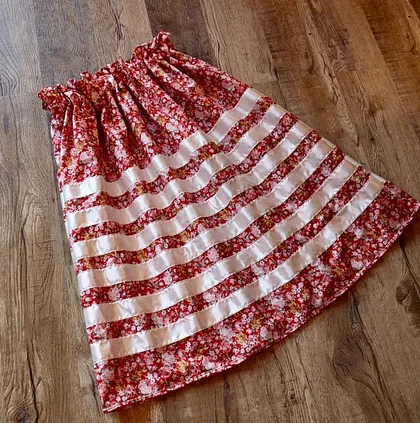
Satin skirts hold a profound significance in many Native American communities, showcasing a rich history intertwined with cultural identity and custom. Their roots can be traced back to the nineteenth century when Indigenous ladies began adding ribbons into their garments as a way of communicating identity. These skirts were not just useful clothing pieces but also emblems of ethnic heritage and social values.
As the years progressed, different tribes customized and personalized their satin skirts, resulting in each design distinct and reflective of their particular traditions. The colors and motifs picked often represent personal histories, clan connections, and tribal values, creating a colorful fabric of cultural expression. The employment of ribbon became an vital way for women to bond with their heritage while declaring their individuality within the community.
With the revival of Indigenous pride and cultural revitalization movements, the significance of satin skirts has intensified in current Native American communities. Native American Ribbon Skirts are often displayed during events, festivities, and powwows, commemorating the resilience and grit of Native females. Satin skirts serve as a significant symbol of the perpetual legacy of Native culture and the important role that clothing plays in the demonstration of self-identity and heritage.
Cultural Significance and Symbolism
Ribbon skirts hold deep cultural importance within Native American societies, serving as a meaningful expression of identity and tradition. Traditionally, worn by women, these skirts are often embellished with colorful ribbons that represent various aspects of existence, spirituality, and community connections. The practice of making and wearing a ribbon skirt is seen as a way to honor ancestral traditions and maintain a sense of belonging within the tribe.
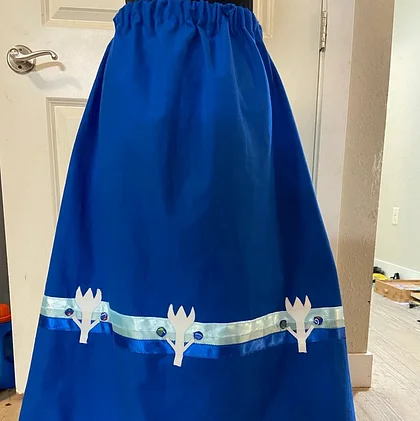
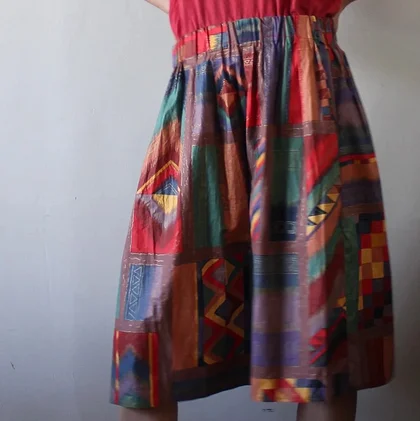
The designs and colors of the ribbons can have specific meanings. For instance, some colors might signify the four directions, elements of the natural world, or personal milestones. Each ribbon skirt tells a unique story, expressing the wearer's journeys, beliefs, and hopes. This personalization transforms the skirt into a medium of cultural expression, connecting the wearer to their ancestry and cultural legacy.
In current times, these skirts have gained amplified importance as a symbol of resilience and self-empowerment. Many women wear these skirts at ceremonies, meetings, and events as a means to celebrate their Indigenous identity and to reclaim their cultural traditions. By donning https://www.ribbonskirts.com/collections/ribbon-skirt , they assert their presence and power, fostering a sense of pride and unity within Native societies.
Current Interpretations and Uses
In contemporary Native communities, ribbon skirts have transformed to include a wide range of interpretations and uses, showcasing both tradition and modern identity. Many artisans are experimenting with colors, designs, and trends that connect with their personal stories or heritage. Some designs incorporate iconography or images symbolizing tribal histories, allowing wearers to connect with their heritage while making assertions about their uniqueness. click here of traditional and contemporary aesthetics not only maintains the cultural importance of the skirts but also strengthens the individual stories of those who wear them.
Ribbon skirts are celebrated at various events, playing a vital role in community events, ceremonies, and celebrations. They serve as a way to respect cultural heritage while also engaging in community identity. For instance, during indigenous festivals, many women wear these skirts as a celebration of their ancestry, showcasing vibrant colors and distinct designs that often attract attention and appreciation. The skirts are not only a fashion statement but also a expression of strength, creativity, and camaraderie, allowing wearers to express their connection in their First Nations identity.
Additionally, the renewal of interest in ribbon skirts has initiated a renewed emphasis on traditional sewing and handicraft skills, encouraging youth to learn these skills. Community sessions and activities often concentrate on teaching the art of making ribbon skirts, fostering a sense of belonging and sharing. This modern resurgence of ribbon skirts not only honors the past but also ensures that these cultural representations remain dynamic in today’s society, forging connections among Native peoples and promoting recognition of their vibrant traditions to the broader public.