

Native American ribbon skirts possess a vibrant history and deep cultural significance, representing not only artistic expression but also the narratives and traditions of Native communities. These vibrant garments, often adorned with bright ribbons and detailed designs, serve as strong symbols of identity, resilience, and connection to ancestral roots. Each skirt is unique, reflecting the personal narratives of the wearers and the broader cultural landscape from which they emerge.
As we explore the realm of Native American ribbon skirts, we uncover the depths of meaning woven into their fabric. The art of creating a ribbon skirt is often collaborative, involving the contributions of various family members and community members, which reinforces communal ties. These garments are worn during important life events, ceremonies, and gatherings, signifying honor and respect for traditions passed down through generations. Understanding the narratives behind these skirts allows us to value not just their aesthetic appeal, but also the deep histories they embody.
Cultural Importance of Ribbon Skirt s
Ribbon skirts hold a deep cultural significance within Native American communities, serving as much than just pieces of clothing. Historically, these skirts have been worn during important ceremonies and events, symbolizing connection to heritage and identity. The vibrant ribbons integrated into their design often represent various elements of tribal heritage and individual stories, showcasing the individual's personal journey and the communal traditions that shape their identity.
Throughout history, ribbon skirts have demonstrated the transformation of Native American life and resilience. Native Ribbon Skirts have evolved over time, incorporating materials and techniques that resonate with contemporary life while preserving the rich legacies of Indigenous craftsmanship. In particular, the use of ribbons in these skirts became prominent in the 19th century, with diverse tribes developing their unique styles that convey their individual cultural narratives. https://www.ribbonskirts.com/collections/native-american-ribbon-skirts illustrates the enduring nature of Native American traditions, as they continue to make space for new expressions without losing sight of their origins.
Today, ribbon skirts are emblematic of pride and unity within Native American communities, often seen at gatherings, powwows, and social events. They serve as a testament of the past while fostering a sense of community among tribes. By donning a ribbon skirt, individuals not only honor their ancestors but also contribute to the vibrant tapestry of ongoing cultural storytelling, representing the strength and resilience of their people throughout time.
Social Symbolism and Interpretations
Native American ribbon skirts are far from articles of clothing; they are deeply rooted symbols woven with social significance. Each ribbon and fabric selection often mirrors the identity, heritage, and values of the wearer and their community. Traditionally, these skirts are utilized during ceremonial events, dances, and gatherings, serving as a visual expression of ethnic pride and continuity. The colors and patterns chosen can represent unique meanings, representing elements such as the land, skies, and water, thereby connecting the wearer to the environment and the spiritual world.
The act of wearing a ribbon skirt can also be seen as a affirmation of cultural identity, particularly in a world where many indigenous practices are at risk of being forgotten. By crafting and donning these skirts, individuals honor their ancestors and the stories passed down through generations. They become a medium for storytelling, with each skirt telling tales of resilience, community traditions, and the personal journey of the wearer. The skirts thus serve as a platform for self-expression and cultural remembrance.
Additionally, the significance of ribbon skirts extends above personal identity to a larger communal aspect. They foster a sense of belonging and solidarity among Native American women, as many skirts are exchanged across families and communities. This intertwines individual narratives with collective history, creating a powerful bond that transcends time. The skirts symbolize the enduring journey of cultural preservation, celebrating female empowerment, and reinforcing the value of intergenerational connections within Native American societies.
Designing and Design Techniques
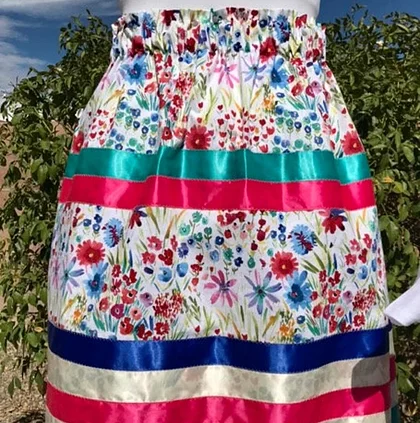
The making of Native American ribbon skirts involves a meticulous selection of materials and a rich understanding of traditional designs. Skilled artisans often begin with a base of delicate fabric such as cotton or cotton blends, which provides comfort and allows for vibrant colors to shine through. The ribbons themselves are commonly sewn onto the fabric in elaborate patterns, reflecting cultural symbols, personal stories, and the natural world. The process requires accuracy and a keen eye for detail, as each ribbon must be placed carefully to create a harmonious and beautiful garment.
Color choices play a significant role in the design of ribbon skirts, as each hue can represent multiple meanings and emotions. For instance, blue may symbolize wisdom, while red can signify strength. Traditionally, artisans draw inspiration from their cultural heritage, incorporating both ancestral motifs and modern influences. This fusion of old and new results in distinct skirts that not only serve as clothing but also as pieces of storytelling, conveying the wearer's identity and history through their design choices.
The finishing touches on a ribbon skirt often include ornamental elements such as beading or embroidery, introducing texture and depth to the garment. These embellishments can enhance the symbolic representation of the skirt and link it more closely to the wearer's experiences or community. Careful stitching and attention to detail elevate the overall quality of the garment, ensuring that each ribbon skirt is not only a testament to the skills of the artisan but also a cherished item within the cultural landscape of Native American communities.